
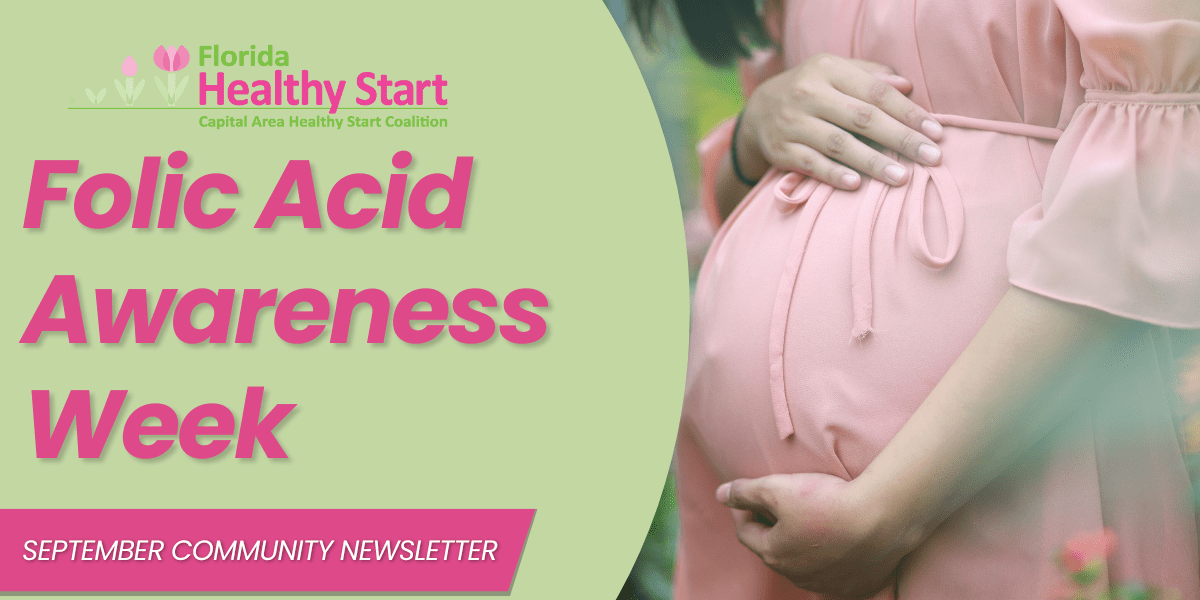
September 10–16 is National Folic Acid Awareness Week, a time dedicated to highlighting the importance of a key prenatal vitamin that supports healthy baby development. While prenatal vitamins are often emphasized before and during pregnancy, it’s equally important to consider their benefits after delivery. Folic acid, also known as folate, is a B vitamin essential for healthy cell growth and development. Taking folic acid before and during early pregnancy is well-known to help prevent serious birth defects of the brain and spine, known as neural tube defects. However, research also suggests that folic acid provides benefits postpartum, helping mothers recover from the physical demands of pregnancy and childbirth. Because carrying and delivering a baby places significant stress on the body, ensuring proper nutrition is crucial. The Centers for Disease Control and Prevention (CDC) recommends that all women of childbearing age take 400 mcg of folic acid daily, regardless of pregnancy plans. This recommendation is based on two key facts:
- Nearly half of U.S. pregnancies are unplanned.
- Major birth defects of the brain and spine develop within the first 3–4 weeks of pregnancy, often before a woman even knows she is expecting.
For these reasons, it’s essential to take a daily vitamin containing folic acid and include folate-rich foods in your diet. Maintaining consistent folic acid intake not only supports a healthy pregnancy but also promotes overall well-being before and after childbirth.