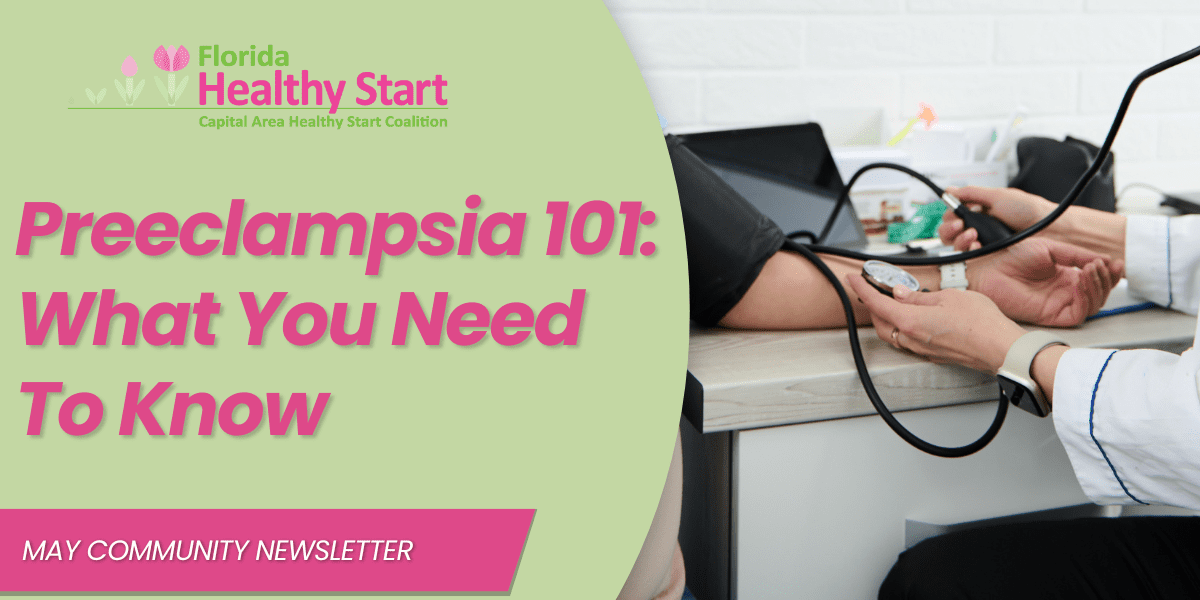
Preeclampsia is a serious pregnancy complication that typically occurs after the 20th week of pregnancy. It’s marked by high blood pressure and signs of damage to organs, most often the liver and kidneys.
Common symptoms can include swelling in the hands and face, severe headaches, changes in vision, and upper abdominal pain. If left untreated, it can lead to serious or even life-threatening issues for both mother and baby. Adjusting to a preeclampsia diagnosis can feel overwhelming, but careful management makes a big difference. Regular prenatal checkups are essential to monitor blood pressure, urine protein levels, and the baby’s growth. Your healthcare provider might recommend more frequent appointments or additional ultrasounds to ensure both you and your baby remain safe throughout the pregnancy. Lifestyle adjustments can help manage symptoms and reduce risks. Rest is important, especially on your left side, which can improve blood flow to your baby. A balanced, low-sodium diet, light physical activity (if cleared by your doctor), and staying well-hydrated can also support your overall health. In some cases, medication to control blood pressure may be necessary, and your healthcare team will guide you through those options. Emotional support is just as important as physical care. A preeclampsia diagnosis can bring anxiety and uncertainty, so leaning on loved ones, joining a support group, or speaking with a counselor can be comforting. Learning about the condition and working closely with your medical team can empower you to make informed decisions and focus on what matters most — the health and safety of you and your baby.